 905-706-3944
  info@homearmourheating.com
  Schedule An Appointment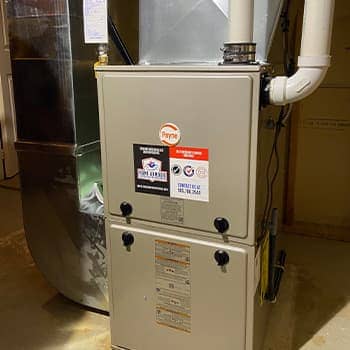
While you can’t control pollen counts at Petticoat Creek Conservation Area, you absolutely can control what happens inside your Pickering home. The right air filtration strategy can transform your house from just another place where you suffer into an actual refuge where you can breathe comfortably. Let’s talk about how.
How Air Filtration Captures Allergens
MERV ratings (Minimum Efficiency Reporting Value) measure how effectively filters capture particles of different sizes. Standard cheap filters rate MERV 1 to 4, catching only large particles like dust bunnies but missing the pollen and mold spores that trigger allergies. MERV 8 to 11 filters capture most common allergens including pollen, mold spores, and dust mite debris. These represent the minimum you should use if allergies are a concern. MERV 13 to 16 filters catch even smaller particles including bacteria and some viruses along with all common allergens.
HEPA filters (High Efficiency Particulate Air) represent the gold standard, capturing 99.97 percent of particles 0.3 microns or larger. This includes all pollen, mold spores, pet dander, and dust mite allergens. True HEPA filters must meet specific standards and deliver consistent performance that makes a real difference for allergy sufferers throughout Durham Region.
The mechanism is simple but effective. As air flows through the filter, particles get trapped through three main processes. Interception occurs when particles following air currents come within range of a fiber and stick to it. Impaction happens when larger, heavier particles can’t follow air around fibers and crash directly into them. Diffusion affects the smallest particles, which bounce randomly and eventually contact and stick to fibers. Together, these mechanisms ensure that allergens get captured rather than recirculated through your home.
Building The Foundation of Indoor Air Filtration
Your home’s heating and cooling system moves massive amounts of air every day, cycling the air in your house five to seven times daily. This presents both a challenge and an opportunity. Without proper filtration, your HVAC system circulates allergens continuously, spreading pollen from the front hall to bedrooms, living areas, and everywhere in between. But with an upgraded filtration system, that same air circulation becomes an asset, constantly pulling allergens from your air and trapping them before they can trigger symptoms.
Start by upgrading your HVAC filter to at least MERV 11, preferably MERV 13 if your system can handle it without restricting airflow. This single change captures the vast majority of pollen, mold spores, and other allergens. For homes in Bay Ridges, Dunbarton, or Seaton with family members suffering from moderate to severe allergies, this upgrade alone can provide noticeable relief within days.
But here’s something critical that many Pickering homeowners miss. The best filter in the world doesn’t help if it’s clogged. Dirty filters restrict airflow, reducing the amount of air being filtered and forcing your HVAC system to work harder. During high pollen seasons (April through June for trees, May through July for grass, August through October for ragweed in Ontario), check filters monthly and replace them whenever they look dirty. Yes, this means you might replace filters more frequently than the standard 90-day recommendation. The cost is minimal compared to the relief you’ll experience and the protection you’re providing your expensive HVAC equipment.
Consider upgrading beyond standard filters to whole-home HEPA filtration systems. These professional-grade systems integrate with your HVAC and provide hospital quality air cleaning throughout your entire house. They require professional installation to ensure proper sizing and airflow, but they deliver unmatched performance for allergy sufferers who need serious relief.
Portable HEPA Air Purifiers in Pickering
While full home filtration treats your entire house, portable HEPA air purifiers provide concentrated cleaning power in specific rooms where you spend the most time. Bedrooms are prime candidates because you spend roughly ⅓ of your life sleeping, and nighttime allergy symptoms can seriously impact sleep quality and next-day functioning.
Choose purifiers sized appropriately for the room dimensions. A unit rated for 300 square feet won’t effectively clean a 500 square foot master bedroom. Manufacturers list coverage areas on packaging, so match the purifier to your space. Bigger isn’t always better, though. An oversized purifier in a small bedroom might be noisier than necessary and waste electricity.
Place purifiers strategically for maximum effectiveness. Keep them at least a few feet from walls and furniture to ensure proper air circulation around the intake and outlet. Run them continuously rather than intermittently. Air purifiers work by cycling all the air in a room multiple times per hour, and turning them on and off prevents this continuous cleaning process.
Noise levels matter, especially for bedroom use. Many purifiers offer multiple fan speeds, with lower settings providing quieter operation for nighttime use. Some include sleep modes that dim display lights and reduce fan noise while still providing continuous air cleaning. If noise is a concern, check reviews or ask to hear the unit running before purchasing.
Indoor Home Strategies for Allergy Relief
Keep windows closed during high pollen count days. Ontario pollen forecasts are available online and through weather apps. When counts are high on windy days, keep windows shut and rely on your air conditioning or ventilation system with quality filters. You’re not bringing in “fresh air” on high pollen days, you’re inviting allergens inside.
Remove shoes at the door and encourage family members to do the same. Shoes track in pollen, dust, and other outdoor allergens that then get distributed throughout your home. Shower before bed to remove pollen from your hair and body. This is particularly important during peak allergy seasons. You accumulate pollen throughout the day, and transferring it to your pillow means breathing it all night long. A quick rinse removes these particles and helps you sleep more comfortably.
Wash bedding weekly in hot water to eliminate accumulated allergens. Pollen settles on sheets, pillowcases, and blankets. Regular washing in water at least 130°F kills dust mites and removes allergens. Do your best to keep pets out of bedrooms if possible. As much as we love our furry friends, they’re effective pollen delivery systems. Dogs and cats playing in your Rouge Fairways backyard collect pollen on their fur and then bring it indoors. Regular pet baths during high pollen seasons help, but keeping them out of sleeping areas provides additional protection.
Maintain your HVAC system with annual professional tune-ups. Dirty coils, ducts, and blower fans can harbor allergens that get blown throughout your home when the system runs. Professional cleaning removes this buildup and ensures your system distributes clean air rather than contaminated air.
Monitoring Your Home’s Air Quality
Modern smart thermostats and standalone air quality monitors provide real time data about particulate levels in your home. This information helps you understand when your air quality deteriorates and take appropriate action.
Some monitors track PM2.5 (particulate matter smaller than 2.5 microns), which includes pollen and other common allergens. When levels spike, you know to increase air purifier speed, check HVAC filters, or investigate potential sources. Over time, you’ll recognize patterns. Maybe pollen levels are always highest in your Pickering home on dry, windy afternoons. Maybe running the bathroom exhaust fan while showering helps. Maybe your air quality improves dramatically after replacing HVAC filters.
This service level approach takes guesswork out of allergy management. You’re not wondering if your efforts are working, you’re seeing measurable improvements in air quality that correlate with symptom relief.
Is a New Air Filtration System Worth It?
Quality air filtration requires investment. MERV 13 filters cost more than basic fiberglass filters. HEPA systems require professional installation and periodic maintenance. Portable HEPA purifiers represent upfront purchases plus filter replacements.
But consider what you’re getting in return. Reduced allergy symptoms mean fewer missed days of work or school. Better sleep quality improves overall health, mood, and productivity. Decreased reliance on antihistamines and other allergy medications saves money and avoids side effects. Improved quality of life during allergy seasons means actually enjoying beautiful spring weather rather than hiding indoors feeling miserable.
For many allergy sufferers in Durham Region, the cost-benefit calculation overwhelmingly favors investing in quality air filtration. The relief and improved daily functioning are worth far more than the relatively modest financial investment required.
Finding Reliable HVAC Professionals in Pickering
While you can handle basic filter upgrades yourself, comprehensive air quality improvements benefit from professional expertise. Experienced HVAC technicians can assess your home’s specific situation, recommend appropriate filtration solutions, and ensure proper installation and setup.
Professional installation ensures whole-home systems work correctly without restricting airflow or causing other problems. Improperly sized or installed filtration can reduce system efficiency, increase energy costs, or even void equipment warranties. Spending a bit more for professional installation protects your investment and ensures you get the intended benefits.
Ask about maintenance requirements and factor these into your budget and schedule. Even the best filtration systems need periodic attention to continue performing effectively. Understanding these requirements upfront prevents surprises and ensures you can maintain whatever systems you install.
Your Path to Allergy Relief
Start with the basics of upgrading HVAC filters and adding a bedroom air purifier. These relatively simple, affordable steps provide immediate benefits that you’ll notice within days. Build from there based on your specific needs and budget. Maybe whole-home HEPA filtration makes sense for your family. Maybe multiple portable purifiers in bedrooms and living areas provide the right balance of cost and effectiveness.
The important thing is taking action rather than continuing to suffer. Your home should be where you feel best, not another place where allergies make you miserable. The technology exists to dramatically reduce indoor allergen levels. The products are proven and available. The investment is reasonable. The only thing standing between you and breathing comfortably is the decision to make your indoor air quality a priority.
Spring will come to Pickering whether you’re ready or not. Trees will pollinate, grass will grow, ragweed will bloom. These things are beyond your control. But your indoor air quality isn’t. Take control, invest in proper filtration, and finally enjoy every season without suffering through allergy misery. Your nose, eyes, and respiratory system will thank you.
Struggling with seasonal allergies in your Pickering home? Our team offers comprehensive indoor air quality solutions including whole-home HEPA filtration, portable air purifiers, and filter upgrades that provide real relief. Let’s create a home where you can finally breathe comfortably all year long.